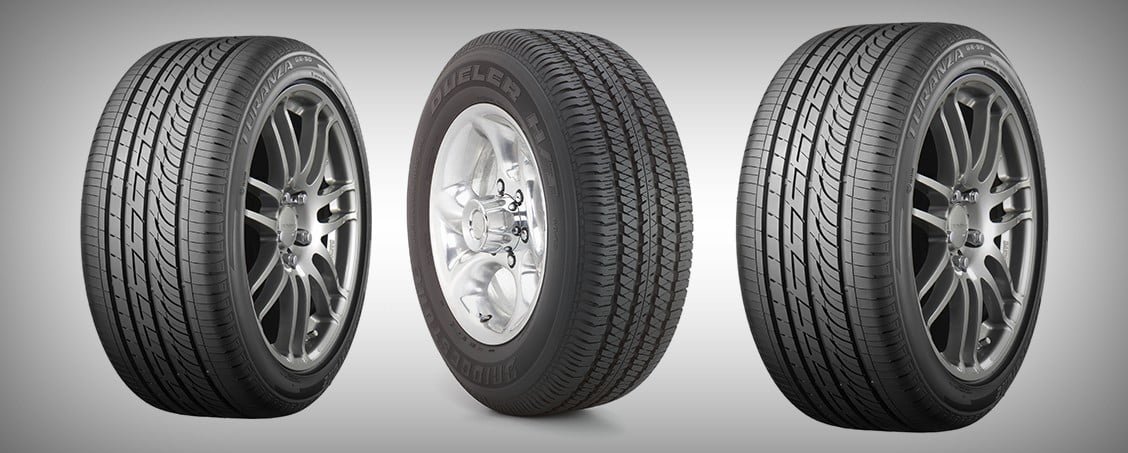
Cars are big and complicated machines made of thousands of components. Each plays its part in providing you with an efficient and comfortable driving experience.
However, often the popular features linked directly to the engine such as horsepower or transmission overshadow the other components. Most notably the tires. The engine may be moving them but it’s the tires that come in contact with the road.
But how do tires affect car performance exactly?
Well, that’s exactly what we will be talking about today.
6 Ways Tires can Affect your Car’s Performance
Tire Pressure:
Tire pressure most probably plays the biggest role in affecting your vehicle’s performance. If your car tires are under-inflated, meaning they have low tire pressure, then the engine has to drag the vehicle by extra force. And extra force means extra fuel.
How much does tire pressure affect your fuel economy?
According to a study by the National Highway Traffic Safety Administration (NHTSA), every 1% decrease in tire pressure leads to a 0.3% reduction in fuel economy.
Tire Pressure & Safety:
Proper tire pressure is not only crucial for fuel economy but also plays a significant role in ensuring safety on the road. While under-inflated tires can negatively impact fuel efficiency, overinflated tires pose a safety hazard. When a tire is overinflated, the contact area between the rubber and the road is reduced. This reduction in contact area leads to decreased grip, compromising the driver’s ability to control the car, particularly during braking.
Overinflated tires are particularly unsafe, especially in wet conditions, as the reduced grip can result in longer braking distances and an increased risk of skidding or hydroplaning. It is important to maintain proper tire pressure to maximize both fuel economy and safety, regularly checking and adjusting the tire pressure as recommended by the vehicle manufacturer.
Tire Pressure & Longevity:
In addition to its impact on fuel economy and safety, tire pressure also significantly affects the lifespan of a tire. Underinflated tires experience greater drag on the road as the engine continuously pushes the vehicle forward. This increased drag causes the tires to rub against the road surface more, leading to faster and uneven tire wear. The added stress on the tire structure can also result in reduced durability and premature failure.
On the other hand, overinflated tires become rigid due to the excessive pressure, making them more susceptible to damage when encountering objects or driving over uneven surfaces. The rigid tire structure lacks the flexibility to absorb impacts effectively, increasing the risk of punctures, sidewall damage, or tire blowouts.
To ensure optimal tire longevity, it is essential to maintain the recommended tire pressure as specified by the vehicle manufacturer. Regularly checking tire pressure and adjusting it accordingly can help extend the life of the tires, reduce the risk of unexpected tire failures, and save costs in the long run.
Tire Tread Depth:
The tread depth of a tire plays a vital role in determining traction and steering response, both of which are critical for a car’s performance. Tread depth refers to the vertical measurement between the top of the tire’s tread and the deepest groove.
Thicker tread depth improves a car’s ability to perform in challenging driving conditions such as sand, gravel, mud, and slippery surfaces. The deeper grooves allow the tire to channel water, mud, or debris away from the contact patch, enhancing traction and reducing the risk of skidding or loss of control.
Furthermore, tires with thicker tread depth have a longer stopping distance, as the additional tread material increases the contact area with the road, resulting in improved braking performance. However, it’s worth noting that thicker tread depth can also contribute to increased road noise, creating a louder driving experience.
Regularly inspecting tire tread depth and replacing tires when they reach the recommended minimum depth ensures optimal performance, safety, and adherence to legal requirements.
Tire Rigidity:
The rigidity of a tire is a critical factor in its impact on car performance. Softer tires tend to wear out faster due to their greater grip, but they provide a smoother ride, enhanced braking performance, and improved traction. The increased flexibility of softer tires allows them to conform to the road surface, maximizing the contact area and optimizing grip.
Conversely, harder tires are better suited for challenging driving conditions, such as high speeds and rough terrains, where durability and resistance to punctures or sidewall damage are essential. Harder tires sacrifice some grip and ride comfort but offer improved stability and rigidity, making them suitable for demanding driving scenarios.
Choosing the appropriate tire rigidity depends on individual driving preferences, road conditions, and specific vehicle requirements. It is advisable to consider factors such as driving style, road surfaces, and climate when selecting tires to ensure optimal performance and safety.
Tire Size:
Another popular feature of car tires is their size. Many people go for the taller tires as they look aesthetically pleasing and provide greater ground clearance which is useful in off-road driving. Following are some of the effects of taller tires:
- Taller Tires may use more gas: The taller the tires, the heavier the weight. And heavier vehicles need more gas to move. However, this may not always be the case.
- Transmission: Taller and heavier tires also affect the car’s suspension directly so consult a mechanic before installing taller tires.
- Better Ground Clearance: If you are an off-road fan then taller tires can help your car move around safely on bumpy roads.
- Control: Taller tires are known to lower your ability to control the car. However, wider tires offer more grip and thus more control on the road. So go for wider tires if you like to be in control 🙂
Frequently Asked Questions on Tires & Car Performance
Q: Do tires make a difference in performance?
A: Yes, tires play a significant role in determining a car’s performance. They are the only point of contact between the vehicle and the road surface, affecting aspects such as acceleration, braking, handling, and overall control of the car.
Q: How much do tires affect performance?
A: Tires have a substantial impact on performance. The right tires can enhance grip, traction, and responsiveness, resulting in improved acceleration, shorter braking distances, better cornering ability, and overall driving dynamics. Conversely, improper or worn-out tires can compromise performance and safety.
Q: Do better tires make your car faster?
A: While tires can contribute to improved acceleration and traction, simply installing better tires may not significantly increase a car’s top speed. Other factors, such as the engine power, aerodynamics, and vehicle weight, also play crucial roles in determining a car’s maximum speed.
Q: How do tires affect the car?
A: Tires influence various aspects of a car’s performance. They determine the traction and grip on different road surfaces, impact braking distances, affect steering responsiveness, and contribute to overall stability and control. Additionally, tires can affect ride comfort, noise levels, and fuel efficiency.
Q: Do tires affect acceleration?
A: Yes, tires can affect acceleration. Tires with better grip, traction, and lower rolling resistance can contribute to improved acceleration performance. Conversely, worn-out or low-traction tires may reduce acceleration capabilities, particularly in slippery conditions.
Q: Do tires affect top speed?
A: While tires can influence a car’s overall performance, including acceleration and handling, they have a limited impact on the top speed. Factors such as engine power, aerodynamics, gearing, and vehicle weight play more significant roles in determining a car’s maximum speed.
Q: Can tires make a car slower?
A: Yes, tires can impact a car’s speed. Worn-out or low-traction tires can reduce grip and traction, leading to slower acceleration and compromised performance. Additionally, tires with higher rolling resistance can increase drag, which may result in decreased top speed.
Q: Do bigger tires increase acceleration?
A: In some cases, larger tires can improve acceleration performance. Wider tires may offer increased traction and grip, allowing for better transfer of power to the road. However, it’s essential to consider factors such as the vehicle’s suspension and gearing to ensure compatibility and optimal performance.
Q: Do tires affect steering?
A: Yes, tires have a direct impact on steering response and control. Tires with good grip and proper inflation provide better feedback to the driver, resulting in more precise steering inputs. Worn-out or improperly inflated tires can negatively affect steering performance, making the car feel less responsive and reducing overall control.