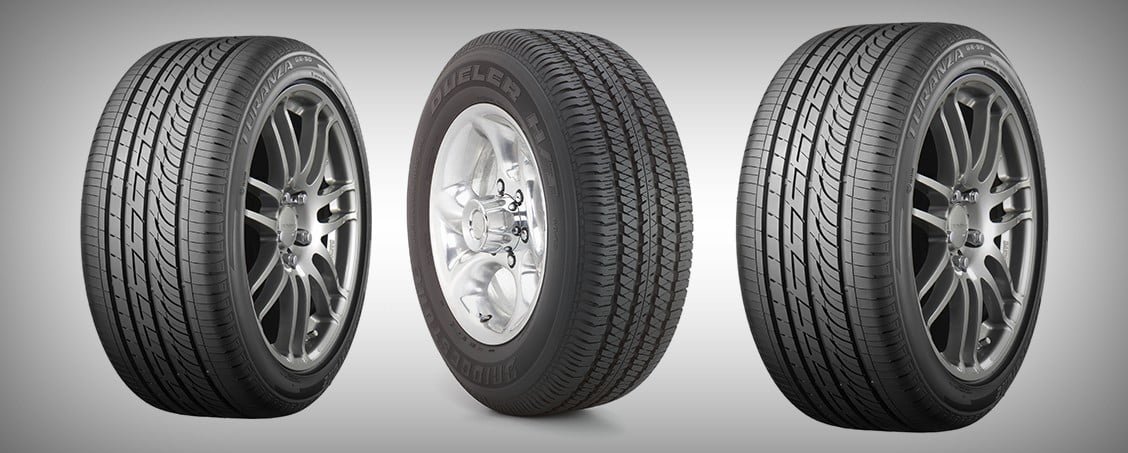
Tires bear a lot when you drive your car. The heat coming from the sun, the friction caused by the drive, and the hurdles on the road. This naturally results in tire wear which isn’t a serious problem.
However, uneven tire wear isn’t natural and can cause serious damage to the drive-train. In addition to that, uneven tire wear can interfere with other functions such as the brakes and compromise your safety.
But how does uneven tire wear occur? And how to avoid it?
In this episode of our tire care guide, we will be sharing the most common causes of uneven tire wear and how you can avoid them.
3 Common Causes of Uneven Tire Wear
1: Improper Car Driving and Handling
Your travel will be secure and stress-free if you operate your car correctly and skillfully. Additionally, it will keep the tires in good condition and enable better performance for a longer time. Uneven and improper tire wear may be caused by ineffective driving techniques. It might involve turning sharply at curves, braking heavily, spinning the wheels, etc. Potholes may also cause uneven tire wear on your car since they may change the wheel’s alignment and quicken tire deterioration.
2: Incorrect Tire Inflation
Tires may wear fast and unevenly if the proper air pressure is not applied to them. You will benefit hugely from maximizing the performance of your car’s front and rear wheels by properly inflating their tires, as well as from getting greater fuel economy.
3: Incorrect Wheel Position
The wheels’ wrong placement is the main cause of uneven tread wear. The health of a vehicle’s suspension system is greatly influenced by the wheel or tire alignment. It will also help you manage your vehicle more efficiently. It will help the tires wear evenly and boost their longevity.
4: Damaged or Worn Suspension Components:
Components of the suspension system, such as worn-out or damaged parts and linkage, can lead to excessive or abnormal inner and outer tire wear. Regular inspection and maintenance of suspension components are crucial to prevent uneven tire wear.
5: Over-torqued Lug Nuts and Damaged Wheels:
Over-tightening lug nuts, bent or damaged wheels, rust buildup between disk brake rotors and wheel hubs, and worn wheel or hub bearings can all contribute to uneven tire wear. Regular inspections and timely repairs or replacements are necessary to maintain tire health.
6: Constant Harsh Braking:
Frequent and aggressive braking can result in flat spots in the middle of the tire, causing uneven wear. If you notice vibrations or shaking at highway speeds, it’s essential to have your tires checked by a professional.
7: Improper Tire Rotation:
Neglecting regular tire rotation can lead to uneven wear. By rotating your tires every six months or 6,000 to 8,000 miles, you can promote even wear patterns, enhance tire longevity, and ensure a quieter ride.
Some Not so Common (but certainly possible) Causes of Tire Wear
In addition to the most common causes of uneven wear on tires mentioned above, here are some more scenarios that can cause uneven tire wear.
1; Improper Wheel Balancing:
Unbalanced wheels can cause vibrations and uneven tire wear. Regular tire balancing can prevent these issues and extend tire life.
2: Improper Wheel Alignment After Suspension Modifications:
If you have recently modified your vehicle’s suspension, ensuring proper wheel alignment afterward is crucial to avoid uneven tire wear.
3: Improper Tire Storage:
Improperly stored tires, such as those exposed to direct sunlight or extreme temperatures, can experience accelerated wear and degradation. It’s essential to store tires in a cool, dry place away from sunlight.
4: Driving Habits:
Driving habits, such as frequently driving over rough or uneven surfaces or prolonged off-road driving, can contribute to uneven tire wear. Maintaining a smooth driving style and avoiding excessive stress on the tires can help prevent uneven wear.
How to Avoid Uneven Tire Wear
- Avoid bouncing off curbs and potholes.
- Check your vehicle’s wheel alignment at least once a year, more often after a harsh winter.
- Avoid harsh braking and driving.
- You should rotate your tires every six months or 6,000 to 8,000 miles. This makes tires run more quietly and last longer.
- If you notice vibrations or shaking at highway speeds, have your tires rebalanced.
- Check the tread and pressure of your tires, including spares, regularly. You should inspect them at least once a month or before embarking on a long journey.
- Avoid overinflating the tires and stick to the manufacturer’s recommendations.
- Examine the wear pattern of your tires regularly to detect uneven or excessive wear.
Frequently Asked Questions:
Q: How to fix uneven tire wear?
To fix uneven tire wear, it is crucial to address the underlying cause. Here are some steps you can take:
- Check and adjust tire pressure to the manufacturer’s recommendations.
- Get a professional wheel alignment to ensure proper alignment of the wheels.
- Inspect the suspension components for any damage or wear and replace if necessary.
- Rotate the tires regularly to promote even wear across all tires.
- Consider replacing tires that have significant uneven wear patterns.
Q: What can cause excessive or uneven tire wear?
Several factors can cause excessive or uneven tire wear, including:
- Improper tire inflation (underinflation or overinflation).
- Incorrect wheel alignment.
- Damaged or worn suspension components.
- Over-torqued lug nuts or damaged wheels.
- Driving habits, such as harsh braking or aggressive turns.
- Lack of regular tire rotation.
Q: What does uneven tire wear look like?
Uneven tire wear can manifest in various patterns, depending on the underlying cause:
- Excessive wear on the inner or outer edges of the tire indicates improper wheel alignment.
- Feathering or scalloping patterns across the tread surface can be a result of suspension issues.
- Cupping or cupped wear can occur due to worn-out shocks or struts.
- Flat spots in the middle of the tire can be caused by constant harsh braking.
Q: What causes tire wear in the middle?
Tire wear in the middle, often referred to as center wear, can have several causes, such as:
- Overinflation of the tires, causing the center portion to bear excessive load and wear out faster.
- Constant harsh braking, which can create flat spots in the middle of the tire.
- Improper wheel alignment, leading to the tire riding on the center portion more heavily.
Q: What causes inner and outer tire wear?
Inner and outer tire wear are commonly caused by improper wheel alignment. When the wheels are misaligned:
- Toe-in or toe-out misalignment can result in excessive wear on the inner or outer edges of the tire, respectively.
- Camber misalignment can lead to uneven wear on either the inner or outer shoulder of the tire.
Q: What causes one tire to wear faster than the others?
Several factors can contribute to one tire wearing faster than the others, including:
- Improper tire rotation or lack of rotation, leading to uneven wear distribution.
- Misaligned wheels, causing one tire to bear more load or scrub against the road surface.
- Driving conditions, such as frequently driving on rough or uneven terrain, which can impact tire wear.
Q: Why do tires wear unevenly?
Tires can wear unevenly due to a combination of factors, including:
- Improper tire inflation, leading to uneven contact with the road surface.
- Incorrect wheel alignment, causing the tire to ride at an angle and wear unevenly.
- Damaged or worn suspension components, which can affect tire alignment and cause uneven wear.
- Driving habits, such as aggressive driving, hard braking, or frequent driving over rough roads.
Q: What can cause uneven tyre wear?
Uneven tire wear can result from:
- Improper tire inflation (underinflation or overinflation).
- Incorrect wheel alignment (toe or camber misalignment).
- Worn suspension components.
- Aggressive driving habits and rough road conditions.
- Neglected tire rotation.
- Tire defects or damage.
- Improper load distribution.