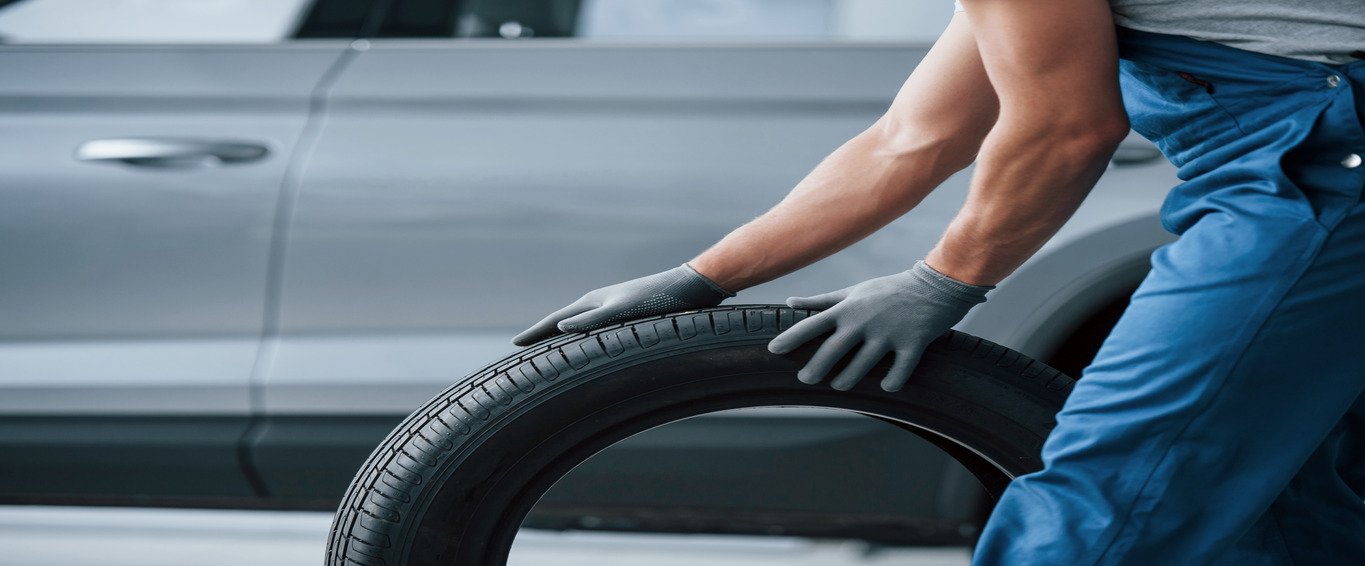
Welcome to our comprehensive guide on tyre maintenance tips. Taking care of your car’s tyres is crucial for both safety and longevity. In this article, we will provide you with the top 11 tips to ensure your tyres are in optimal condition. From regular inspections to proper maintenance procedures, we’ve got you covered. Let’s dive in and discover how you can keep your tyres in top shape.
Importance of Tyre Maintenance
Maintaining your tyres is not only essential for your safety but also for the overall performance of your vehicle. Neglecting tyre maintenance can lead to reduced traction, poor fuel efficiency, and even potential accidents. By following these maintenance tips, you can ensure a smoother and safer driving experience.
11 Best Tyre Maintenance Tips
Here are the top tips to keep your tyres in the best possible condition:
1: Regular Tyre Inspection: Ensuring Optimal Condition
Regularly inspecting your tyres is essential for maintaining their optimal condition and ensuring your safety on the road. Conduct visual inspections at least once a month, and always before embarking on long trips. Look out for the following signs of damage:
- Cuts or punctures: Check for any visible cuts or punctures on the tyre surface. Even small damages can compromise the tyre’s integrity and increase the risk of a blowout.
- Bulges or blisters: Examine the sidewalls for bulges or blisters. These irregularities indicate internal damage and may lead to tyre failure if left unaddressed.
- Uneven tread wear: Inspect the tread pattern for uneven wear across the tyre’s surface. Uneven wear can be a sign of alignment issues, improper inflation, or suspension problems.
If you notice any of these issues during your inspection, it’s crucial to have your tyres inspected and repaired or replaced by a professional technician.
2: Proper Tyre Inflation: Maintaining the Recommended Pressure
Maintaining the correct tyre pressure is vital for optimal tyre performance, fuel efficiency, and safety. Refer to your vehicle manufacturer’s guidelines or the tyre placard for the recommended tyre pressure values. Here are some key points to keep in mind:
- Check tyre pressure regularly: Use a reliable tyre pressure gauge to check the pressure at least once a month, or before long trips. It’s best to measure the pressure when the tyres are cold, as driving can increase tyre temperature and affect the readings.
- Adjust pressure as needed: If the pressure is below the recommended level, add air until it reaches the specified value. Conversely, if the pressure is too high, release air until it matches the recommended value. Ensure that all tyres, including the spare, are properly inflated.
- Benefits of proper inflation: Maintaining the correct tyre pressure promotes even wear, improves traction, enhances fuel efficiency, and ensures optimal handling and braking performance.
Regularly monitoring and maintaining the recommended tyre pressure will help prolong the lifespan of your tyres and enhance your overall driving experience.
3: Rotate Your Tyres: Promoting Even Wear and Longevity:
Rotating your tyres regularly is an essential maintenance practice that promotes even tread wear and extends the overall lifespan of your tyres. Follow the recommended rotation pattern provided by your vehicle manufacturer or tyre professional. Here’s why tyre rotation is important:
- Even wear distribution: Front and rear tyres wear differently due to variations in weight distribution and steering forces. Rotating the tyres helps distribute the wear evenly, allowing them to last longer and provide consistent performance.
- Maximizing tyre lifespan: By rotating the tyres, you ensure that all four tyres wear at a similar rate. This means you can replace all of them at once, maximizing their overall lifespan and avoiding the need for premature individual tyre replacements.
- Improved traction and handling: Evenly worn tyres provide better traction and handling, enhancing your vehicle’s stability and safety on the road.
Consult your vehicle’s owner’s manual or a tyre professional to determine the recommended rotation interval for your specific vehicle.
4: Alignment and Balancing: Optimizing Tyre Performance
Proper wheel alignment and balancing are crucial for optimal tyre performance, vehicle stability, and driver safety. Here’s what you need to know about alignment and balancing:
- Wheel alignment: Over time, your vehicle’s wheels can become misaligned due to various factors like hitting curbs, potholes, or normal wear and tear. Misalignment can result in uneven tyre wear, reduced fuel efficiency, and compromised handling. Regular alignment adjustments ensure that the wheels are properly aligned according to the manufacturer’s specifications.
- Wheel balancing: Imbalanced wheels can cause vibrations, uneven tread wear, and steering issues. During the wheel balancing process, small weights are strategically added to the wheels to counterbalance any weight imbalances. This ensures smooth and stable driving, reducing unnecessary stress on the tyres.
Schedule regular alignment and balancing services as recommended by your vehicle manufacturer or when you notice signs of misalignment or imbalance, such as uneven tyre wear or steering vibrations.
5: Tread Depth Check: Ensuring Safe Traction
Monitoring your tyre tread depth is vital for maintaining safe traction on the road, especially during wet or slippery conditions. Here’s how to check and interpret your tyre tread depth:
- Use a tread depth gauge: Invest in a tread depth gauge to accurately measure the depth of the tread grooves. Alternatively, you can use the “penny test” by inserting a penny into the tread with Lincoln’s head facing downward. If the top of Lincoln’s head is visible, it’s time to replace the tyre.
- Recommended tread depth: The minimum legal tread depth varies by jurisdiction, but in general, it is recommended to replace tyres when the tread depth falls below 1.6 millimeters (2/32 of an inch). However, for optimal safety and performance, consider replacing tyres when the tread depth reaches 3 to 4 millimeters (4/32 to 5/32 of an inch).
Maintaining adequate tread depth ensures proper water dispersion, reduces the risk of hydroplaning, and enhances overall traction and braking performance.
6: Avoid Overloading: Preserve Tyre Integrity and Performance
Adhering to the maximum load capacity specified for your tyres is crucial for their integrity and performance. Overloading your vehicle can lead to various issues, including:
- Excessive heat build-up: When tyres are overloaded, they generate more heat due to increased friction. This can result in tire blowouts, tread separation, or premature wear.
- Reduced handling and stability: Overloaded tyres can cause your vehicle to handle poorly, compromising its stability and making it more difficult to maneuver, especially during sudden maneuvers or emergency situations.
- Increased braking distance: Overloaded tyres require more distance to come to a complete stop. This can significantly impact your vehicle’s braking performance and increase the risk of accidents.
Refer to your vehicle’s owner’s manual or consult a tyre professional to determine the maximum load capacity for your tyres. Make sure to distribute the load evenly and avoid exceeding the specified limits.
7: Sidewall Inspection: Ensure Structural Integrity
The sidewalls of your tyres play a critical role in maintaining their structural integrity and overall safety. Regularly inspecting the sidewalls for any signs of damage or irregularities is essential. Look out for the following:
- Cracks or cuts: Check for any cracks or cuts on the sidewalls. These can weaken the tyre’s structure and increase the risk of a blowout.
- Bulges or bubbles: Examine the sidewalls for bulges or bubbles. These protrusions indicate internal damage or weak spots and can lead to tyre failure.
If you notice any sidewall damage, promptly consult a tyre professional for inspection and advice. Damaged tyres should be replaced to ensure your safety on the road.
8: Avoid Sudden Braking and Acceleration: Preserve Tyre Lifespan
Practicing smooth driving habits is not only safer but also helps prolong the lifespan of your tyres. Avoid abrupt braking and acceleration, as these actions can put excessive stress on your tyres and result in:
- Uneven wear: Sudden braking and acceleration can cause uneven tread wear, leading to the need for premature tyre replacement.
- Reduced traction: Abrupt acceleration can cause wheel spin, reducing traction and compromising your ability to control the vehicle.
- Increased fuel consumption: Aggressive driving habits, including sudden braking and acceleration, can lead to increased fuel consumption, impacting your vehicle’s efficiency.
By adopting smooth driving techniques and maintaining a steady and consistent speed, you can minimize unnecessary wear and tear on your tyres, ultimately extending their lifespan.
9: Store Your Spare Tyre Properly: Maintain Emergency Readiness
If your vehicle is equipped with a spare tyre, proper storage is essential to ensure it remains in good condition and ready for use during emergencies. Follow these storage tips:
Store in a cool, dry place: Choose a storage location away from direct sunlight, extreme temperatures, and moisture. Exposure to these elements can degrade the spare tyre’s quality over time.
Check inflation regularly: Even when not in use, periodically check the spare tyre’s inflation pressure to ensure it remains properly inflated. Refer to the recommended pressure specified by the vehicle manufacturer.
A well-maintained spare tyre provides peace of mind and ensures you are prepared for unexpected flat tyre situations.
10: Avoid Potholes and Obstacles: Protect Tyre and Wheel Integrity
Being vigilant and avoiding potholes, curbs, and other obstacles on the road can help protect your tyres and wheels from damage. These hazards can cause:
- Tyre punctures: Potholes and sharp objects on the road can puncture your tyres, leading to air loss and potential tyre failure.
- Wheel misalignment: Hitting potholes or curbs at high speeds can knock your wheels out of alignment, resulting in uneven tyre wear and compromised handling.
Maintain a safe distance from obstacles, slow down when encountering potholes, and, if necessary, safely steer away from potential hazards. Your tyres and wheels will thank you.
11: Seek Professional Assistance: Expert Guidance and Services
When in doubt or if you notice any unusual signs or symptoms related to your tyres, it is always wise to consult a professional tyre service provider. They can offer expert guidance, perform thorough inspections, and provide necessary services, such as:
- Tyre repairs: Professional technicians can assess and repair minor damages, such as punctures, ensuring the continued usability of your tyres.
- Tyre replacements: When your tyres have reached the end of their lifespan or are severely damaged, professionals can recommend suitable replacements and ensure proper installation.
- Wheel alignment and balancing: Trusting the expertise of professionals for wheel alignment and balancing services helps optimize tyre performance and extends their lifespan.
By seeking professional assistance, you can address any concerns, receive accurate advice, and ensure your tyres receive the necessary care and maintenance they require.
4 Tips for Long-Lasting Tyres
To maximize the lifespan of your tyres, follow these additional tips:
- Avoid aggressive driving behaviors such as hard braking, sharp turns, and excessive speeding.
- Maintain a steady speed on highways to reduce heat buildup and minimize tyre wear.
- Park in shaded areas whenever possible to protect your tyres from prolonged exposure to sunlight.
- Clean your tyres regularly with mild soap and water to remove dirt and debris that can degrade the rubber.
How to Look After New Tyres
New tyres require proper care and attention to ensure optimal performance. Here’s what you should do:
- Follow the manufacturer’s break-in recommendations for new tyres, which may include avoiding high speeds and hard cornering initially.
- Monitor the tyre pressure more frequently during the first few weeks to ensure they settle properly.
- Stick to the recommended tyre rotation schedule to promote even wear from the start.
4 Tyre Pressure Tips
Maintaining the correct tyre pressure is crucial. Here are some tips to help you:
- Use a reliable tyre pressure gauge to check the pressure regularly.
- Check the pressure when the tyres are cold, preferably in the morning before driving.
- Refer to your vehicle’s manual or the tyre placard for the recommended pressure values.
- Adjust the pressure as needed and ensure it is the same for all tyres, including the spare.
Got more questions about pressure? Read our commonly asked questions and answers on car tyre pressure
Conclusion:
By following these top 11 tyre maintenance tips, you can ensure that your tyres remain in top shape, providing you with optimal safety, performance, and longevity. Regular inspections, proper inflation, rotation, and alignment are key practices to adopt.
Remember, your tyres are the only point of contact between your vehicle and the road, so taking care of them is essential. Make tyre maintenance a priority, and enjoy a smoother and safer driving experience. Stay safe on the roads!